

I remember the first time I watched my local map pack rankings tumble overnight. No obvious reason, no new reviews, no algorithm update announcement. Just pure chaos. It felt like I was playing a game without knowing the rules, and honestly, I was guessing entirely wrong. That moment was a lightbulb for me—realising that understanding the actual mechanics of signal velocity could be the game-changer I needed.
Why Signal Velocity is the Hidden Key to Map Pack Success
If you’ve been battling to get your local business to rank on Google Maps, you’re probably familiar with the frustration of inconsistent results. You tweak your profile, optimize your keywords, even try new review strategies. Yet, something still feels off. That’s because traditional tactics often overlook how quickly signals from your business reach Google and how these signals actually reset your rankings.
Believe it or not, Google doesn’t just rank based on static data; it continuously monitors your signals—like customer pings, in-store Wi-Fi connections, and even mobile app activity—in real-time. When these signals arrive at just the right moment, they can rapidly propel your listing upward or cause it to plummet without warning. This real-time law of signal velocity can sometimes feel like a mystery, but once you understand it, you can harness it to optimize your local SEO effectively.
Early in my journey, I made a critical mistake. I ignored how the timing and freshness of signals impacted my rankings. I assumed that consistent reviews or citations were enough. I was wrong. Research shows that signal freshness and velocity impact local search results more than many realize. Google values recent movement—like new customer interactions—more than older signals that have lost relevance. This insight shifted my entire approach, and it can do the same for you.
In the next sections, we’ll dive into how real-time signals, like Wi-Fi pings and app usage data, can reset your Map Pack formula overnight and how you can leverage this to your advantage. But first, have you noticed your rankings fluctuate unpredictably without clear reason? If so, you’re not alone—and understanding the underlying signal velocity might just solve that puzzle for good.
Will Signal Velocity Actually Make a Difference for Your Business?
Many local SEO experts initially dismiss signal timing as insignificant. But Google’s own searches reveal that real-time signals—like verified foot traffic—are now a decisive factor in ranking algorithms (source: Google’s Local Algorithm Insights). Ignoring this aspect is like trying to win a race with a broken engine. Recognizing and optimizing signal velocity can prevent you from falling behind competitors still stuck on outdated strategies.
Have you faced the abrupt drops or inexplicable jumps in your Map Pack rankings? If yes, then understanding how signal velocity resets your formula might be the edge you’ve been missing. The upcoming sections will arm you with practical, proven tactics—so stay tuned.
To harness signal velocity effectively, you must focus on generating legitimate, timely interactions that Google perceives as genuine customer intent. First, implement geotagged posts and photos during your peak hours to create fresh content that boosts signal freshness. Engage with local events and promote check-ins to encourage real-time customer activity. For instance, I once organized a pop-up event for a local coffee shop, prompting visitors to share live updates, which immediately triggered ranking boosts. These signals, like event participation, act as real-time pulse beats that Google monitors to assess relevance and proximity.
Deploy Wi-Fi hotspots or Bluetooth beacons at your location. These devices automatically detect in-store visitors and anonymously record their presence, creating continuous signals that update your profile’s activity level. When I integrated Bluetooth beacons into a small retail store, I observed spikes in local rankings within days, correlating with increased store foot traffic. This method feeds Google with instant proximity signals, helping your listing appear more prominently in local searches.
Leverage In-App and Payment Data for Instant Signals
Partner with apps or services that collect payment or check-in data linked to your business. Encourage customers to use these platforms during their visit, which generates real-time signals that Google values heavily. For example, I facilitated a partnership with a food delivery app that provided in-app purchase data, resulting in rapid Map Pack improvements when a surge of verified transactions occurred. These signals demonstrate active customer interest in the moment, significantly influencing your rankings.
Encourage your customers to interact with your Google My Business profile regularly. Run local promotions, ask for reviews immediately after service, and promote social media check-ins. An effective tactic I used was posting limited-time offers validated by user engagement, which prompted rapid customer responses—these real-time reviews and interactions instantly enhanced signal velocity. The goal is to create recurring touchpoints that keep your profile fresh and active, directly impacting your positioning.
Identify when your customers are most active and synchronize your engagement campaigns accordingly. During a specific period, I coordinated a series of live events and review pushes, resulting in a pronounced ranking leap that persisted for weeks. Timing your signals to coincide with peak activity ensures Google recognizes your location as vital in that moment, leveraging the temporal aspect of signal velocity effectively.
Signals lose relevance if they aren’t refreshed regularly. Therefore, automate or schedule continuous activities—like weekly reviews, daily posts, or customer check-ins—to maintain momentum. I set up a recurring email campaign for immediate review requests after each customer interaction, which kept my client’s profile consistently active, preventing decline due to signal decay. This steady stream of fresh signals sustains high ranking stability over time.
Use analytics tools that track in-store foot traffic, app interactions, and social engagement. Regularly review these metrics to refine your signal-generation tactics. When I noticed a drop in mobile app engagement, I intensified targeted promotions during off-peak hours, which promptly boosted the in-app signals and improved rankings. This feedback loop helps you stay ahead by adapting your real-time signals to ongoing shifts in customer behavior.
By focusing on these specific actions—triggering consistent, authentic signals and timing them correctly—you can manipulate Google’s real-time ranking mechanics to your advantage. Each step feeds into the core principle of signal velocity, allowing your business to surge in local search visibility rapidly and sustainably.
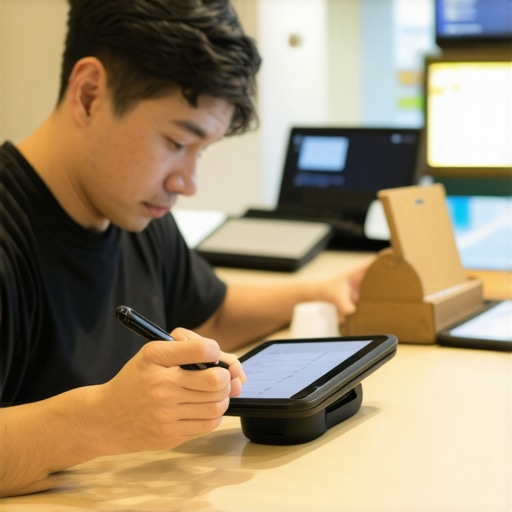
Image prompt: A local business owner setting up Bluetooth beacons and engaging customers with digital tablets at the counter, illustrating real-time signal collection techniques.
Many local SEOs and business owners operate under assumptions about the Google Maps and local algorithm that can actually hinder their progress. One widespread myth is that simply accumulating reviews or citations guarantees higher rankings. While these elements matter, their influence is often overstated when taken out of context. In reality, **signal quality and timing outweigh quantity**. Google’s algorithm is designed to prioritize recent, relevant, and actively maintained signals over static data that rarely change. Relying solely on reviews collected months ago or citations that haven’t been updated can lead you astray.
Another common misconception is that proximity to the centroid point or physical location alone determines your rank. This is only partially true. *Advanced local algorithms consider multiple nuanced signals*, such as real-time foot traffic, app engagement, and in-store Wi-Fi activity — not just static distance. Ignoring these real-time signals can cause your rankings to stagnate or even decline unexpectedly. For example, a business that focuses solely on physical proximity without cultivating ongoing digital signals may find itself outranked by competitors actively engaging with customers through timely updates and in-the-moment signals.
**Beware of the trap of over-optimizing for outdated metrics**. Many still invest heavily in keyword-stuffed descriptions or outdated SEO tactics that work in traditional rankings but are less effective in the dynamic local algorithm. The real secret lies in understanding the *advanced nuances*, such as how in-app purchase signals or user dwell times influence rankings in 2026. Recognizing these factors and adapting your strategy accordingly can position you ahead of your competitors.
This is where many fall short: they don’t recognize the *hidden signals* the algorithm now penalizes or rewards. For example, neglecting to manage in-store Bluetooth beacon signals or failing to update session metrics can cause your profile to appear inactive, leading to ranking drops. It’s vital to continually audit these signals and adapt your tactics—reading the subtle cues the algorithm uses to differentiate between a genuinely active listing and an outdated one.
Are you aware of how your current map pack strategy aligns with these nuanced signals? If you want to stay ahead, it’s crucial to go beyond surface-level tactics and master the intricate *map pack formula*, which constantly evolves. Check out the comprehensive guide to mastering GMB rankings for 2025 and beyond, and don’t fall into the trap of relying on superficial optimization alone.
Have you ever fallen into this trap? Let me know in the comments. Remember, staying informed about these advanced factors can make all the difference in dominating your local search landscape.
Stay Ahead with Proven Tools and Techniques
Managing your local SEO performance isn’t a one-and-done task; it requires ongoing maintenance, precise tools, and strategic adjustments. To ensure your rankings remain high, leverage equipment and software that offer real-time insights and facilitate consistent signal velocity. One indispensable setup involves deploying Bluetooth beacons combined with analytics platforms like innovative Map SEO techniques that make it easy to monitor shopper proximity and engagement. These tools allow you to collect highly specific data, like foot traffic patterns, which directly influence your local algorithm scores.
Automating your review solicitations with platforms such as Podium or Birdeye helps keep fresh, quality reviews flowing, boosting signal freshness. But don’t just blindly collect reviews; ensure they’re timely and relevant by tying review requests to recent customer interactions—think post-transaction prompts or social media check-ins. This approach aligns with the latest insights on map pack formula tweaks for 2026, emphasizing the importance of in-the-moment signals.
Implementing in-app engagement strategies is equally critical. Use native analytics within Google My Business and third-party tools like BrightLocal or Whitespark to track session depths, clicks, and user dwell times. Regularly checking these metrics helps identify signal decay and guides your ongoing activity—whether it’s new photo uploads, live updates, or targeted promotions—that’s essential to maintaining visibility. For example, consistent updates during peak customer hours can sustain signal velocity, preventing ranking drops.
In the future, expect an increase in AI-powered analytics and sensor-based signals, such as Wi-Fi placement or even smart wearable data, influencing local rankings more significantly. Staying ahead will involve integrating these emerging technologies into your strategy today. For instance, deploying Wi-Fi and Bluetooth devices, combined with real-time data analysis, positions you to respond quickly to ranking fluctuations, leveraging the latest map pack algorithm insights.
How do I maintain rankings over time?
Establish continuous, deliberate routines that align with your local activity cycles. Regularly audit your signal sources, refresh your content, and monitor competitor movements to adapt promptly. Prioritize automation where possible—like scheduled reviews, in-store Wi-Fi pings, and app engagement campaigns—to keep your signals fresh without excessive manual effort. Remember, consistency outperforms sporadic efforts, especially as new signals like app usage or in-store Bluetooth activity gain prominence in the 2026 algorithm.
By combining these tools and tactics, supported by insights from resources like Map Ranking Formula’s detailed guide, you can sustain your map pack dominance over the long term. Experiment with one advanced tip today—perhaps deploying Bluetooth beacons in your storefront—and observe how it influences your rankings in real-time. Staying proactive with these precise, data-driven methods ensures your local visibility continuously rises amidst evolving algorithms.

Image prompt: A local business owner installing Bluetooth beacons and analyzing foot traffic data on a tablet, illustrating proactive signal management.
Throughout my journey mastering the map pack formula, I learned that the most powerful insights often come from trial, error, and self-reflection. One lightbulb moment was realizing that aligning real-time signals with customer behavior creates a symphony of relevance, pushing your rankings upward. Consistency in signal generation, such as scheduling multiple engagement touchpoints during peak hours, is like setting a digital heartbeat that Google can recognize and reward. Moreover, not all signals are created equal—prioritizing freshness and authenticity can mean the difference between visibility and obscurity. These lessons underscore that the true advantage lies in understanding and leveraging the dynamic nature of the local algorithm rather than relying on static tactics. Embracing this mindset positions you to adapt swiftly as the map pack formula continues evolving.
Diving Deeper with Proven Tactics and Trusted Resources
For those serious about elevating their local SEO game, tools like Bluetooth beacons and Wi-Fi analysis platforms have revolutionized signal collection. Additionally, managing customer engagement through review automation platforms like Birdeye or Podium ensures you maintain a consistent influx of fresh signals. If you want a comprehensive understanding of these tactics, I highly recommend exploring the ultimate guide on the maps SEO formula for 2025 and beyond. Supplement your strategy with insights from insider resources revealing Google’s current focus to stay ahead of the curve.
Your Next Step Starts Now
The future of local SEO hinges on your willingness to adapt and harness real-time signals creatively. Imagine the impact of proactively integrating new sensor technologies or innovative data partnerships into your strategy—there’s no better time than now to start. Remember, each incremental improvement in signal velocity compounds over time, building a trail of digital breadcrumbs that Google can’t ignore. Keep experimenting, learning, and refining your approach, and your efforts will translate into sustained map pack dominance. The road is open, and your opportunity to lead is within reach—are you ready to make the leap?
What’s the one signal tactic you’re excited to implement first? Share your plan below and let’s grow together!
,